Engineering Workflows
Structural steel price per kilo: how to work it out
Price per kilo sums up a steel job in one number. What goes into it, how to work it out from your quantities, and when it misleads.
In structural steel, people like to talk in price per kilo. Clients compare tenders with it, fabricators use it to see where they stand, and everyone has "their" figure in mind. It's a good benchmark for checking a price. It's a poor tool for setting one.
What gets divided, and by what
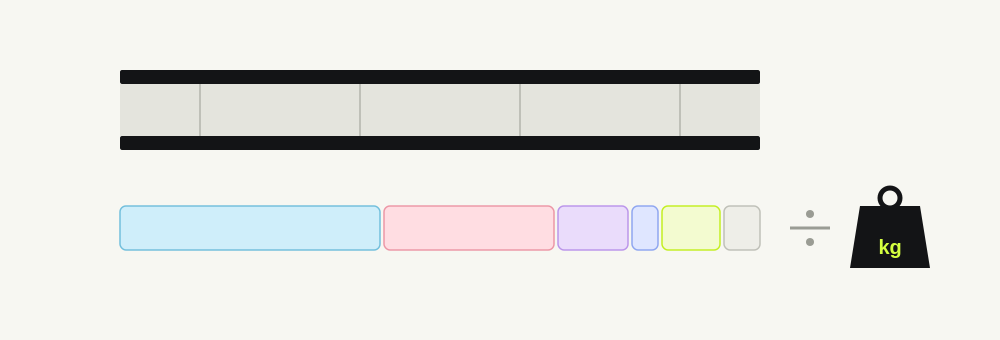
Price per kilo is the total price of the package, before tax, divided by the weight of the structure. Two details change everything:
- which price: supply only, or supply, fabrication, protection and erection;
- which weight: the net weight of the structure, or the gross weight of the bars and plates bought.
Two fabricators quoting the same price per kilo aren't necessarily talking about the same thing. When you compare, start there.
The calculation, item by item
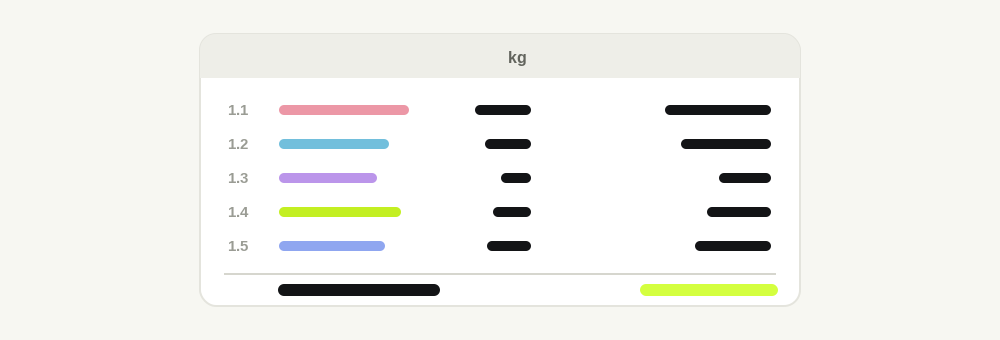
The price per kilo of a steel package is built from the items of the quote:
- material: gross weight bought times your purchase price;
- fabrication: hours of cutting, drilling, fitting and welding times your labour rate;
- protection: area to paint or galvanise times its price;
- bolts and fittings;
- transport and erection;
- overheads and margin.
Add them up, then divide by the net weight of the structure. Price per kilo comes at the end of the calculation, never at the start.
Material alone, on the footbridge
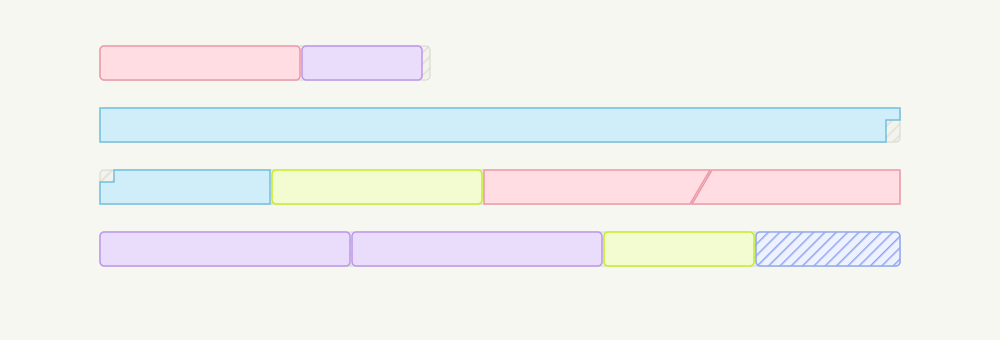
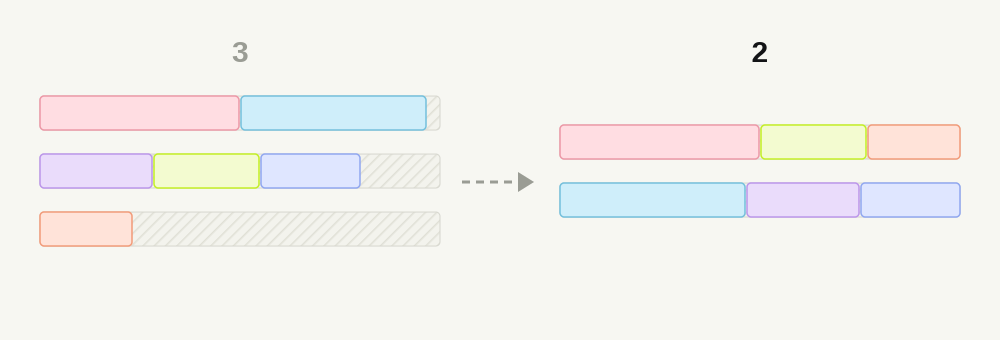
On the footbridge from the case study, the cutting plans call for 6,351 kg of bars. At $1.30 per kilo, the material costs $8,256.30. The structure itself weighs 5,876 kg. Per kilo of structure, the material therefore comes to $1.41, not $1.30.
Before a single workshop hour, waste has already added eight percent to the material price. A price per kilo built on the purchase price leaves that gap out.
Why two structures of the same weight don't cost the same
Material is paid by the kilo. Work isn't: it depends on the number of parts, cuts, holes and welds. The footbridge has 165 parts for 5.9 tonnes, with knee braces cut at 35°, joists notched at both ends, and railings. A warehouse with large portal frames of the same weight has far fewer, and is quicker to fabricate.
That's why a price per kilo borrowed from another job misleads: it carries over the work of a structure that isn't yours.
The right use of price per kilo
Use it to check. Once the quote is built item by item, compare its price per kilo with your past jobs of the same type. A large gap points to a missing line, a wrong quantity or a genuinely different structure. In all three cases, you'd rather know before sending the tender.
What Kalepis does
Kalepis gives you the quantities the calculation is built on: gross and net weight, area to paint, cutting time. With your unit rates, it shows the total and what it comes to per net kilo, as well as material cost per gross kilo bought. Fabrication hours, transport, erection and margin remain your decisions.